Whoa, this surprised me.
I was poking around browser wallets last week and noticed patterns.
Rabby felt different in a few small but important ways.
At first I chalked it up to UI polish, though after digging into the permissions model and transaction simulation I realized the differences ran deeper and were security relevant.
Seriously, my gut said that.
Here’s what bugs me about most browser wallets right now.
Too many ask for broad approvals or hand you a confusing gas slider that makes people hurry.
On one hand they want to be simple for onboarding, though actually that simplicity often hides dangerous defaults that enable token approvals and approval-for-all permissions with a single click, and that scares me.
Hmm, somethin’ felt off.
Rabby approaches a few of those problems differently in practical ways.
Okay, so check this out—
It isolates permissions per dapp and surfaces granular approvals.
That means you can approve a single token transfer rather than blanket approvals that last forever.
I tried it on a defi protocol where I usually grant unlimited allowance out of convenience, and watching the simulation show exact token flow changed how I interacted with the dapp and prevented me from making a hurried mistake.
Really, that changed me.
Security features matter more than flashy designs for actual users.
Rabby supports hardware wallets like Ledger and Trezor seamlessly via the extension, which is very very important for risk reduction.
By combining a browser extension with hardware keys, you reduce the attack surface, though you still have to be mindful about malicious web pages that ask you to sign complex messages and present misleading transaction details.
Watch the domain.
Also use separate browser profiles for high-risk interactions only.
Wow, that simple tip helps.
Rabby also shows a clear nonce and gas breakdown.
Seeing the exact value and path of a transaction before signing reduces accidental approvals.
Initially I thought transaction simulation was overkill, but then after a confusing swap where the displayed recipient differed from the contract call, that extra step saved me a lot of grief and probably a chunk of crypto.
My instinct said ‘skip it’, though I didn’t this time.
Quick practical rules I follow now for extension wallets:
Keep seed phrases offline in a hardware wallet or on paper in a safe.
Actually, wait—let me rephrase that.
Revoke token approvals routinely and avoid approval-for-all unless absolutely necessary.
I’m biased, but that helps.
Whoa, small detail:
Rabby can warn about suspicious contracts and unknown tokens.
It keeps a list of known scams and flags transactions that interact with those addresses.
On one hand that kind of heuristic never replaces user caution, though on the other hand in the flood of chrome extensions and copycat wallets it’s a helpful second set of eyes that catches patterns humans miss.
Don’t treat warnings as absolute truth but pay attention.
Performance and UX matter too for safety because people rush.
If the extension is slow, people approve transactions without reading, and attackers count on that human impatience—so a snappy, clear UI that surfaces critical info reduces errors.
Really, it’s simple.
Rabby balances clarity with power-user controls like custom RPCs and gas management.
For developers who integrate wallets, the extension’s open-source nature and community scrutiny means bugs are more likely to be found early, though of course audits and responsible disclosure policies still matter a lot.
Hmm, not perfect though.
There are trade-offs that make me cautious still sometimes.
For high-value accounts I separate exposure across hardware wallets, use dedicated browser profiles, and keep an offline cold wallet for long-term holdings, because no single tool eliminates risk entirely.
Also, always verify extension source and download only from official channels.
(oh, and by the way, mobile parity lags, so don’t assume the mobile experience matches desktop.)
If you want to try it, check my experience and the download page.
Grab it from the official page.
Try it on a small amount first, test transaction simulations, and integrate a hardware wallet if you care about serious sums because that layered approach reduces both technical and human risk vectors.
I’m not 100% sure it will fit every workflow, but it’s a strong option.
Stay sharp out there.
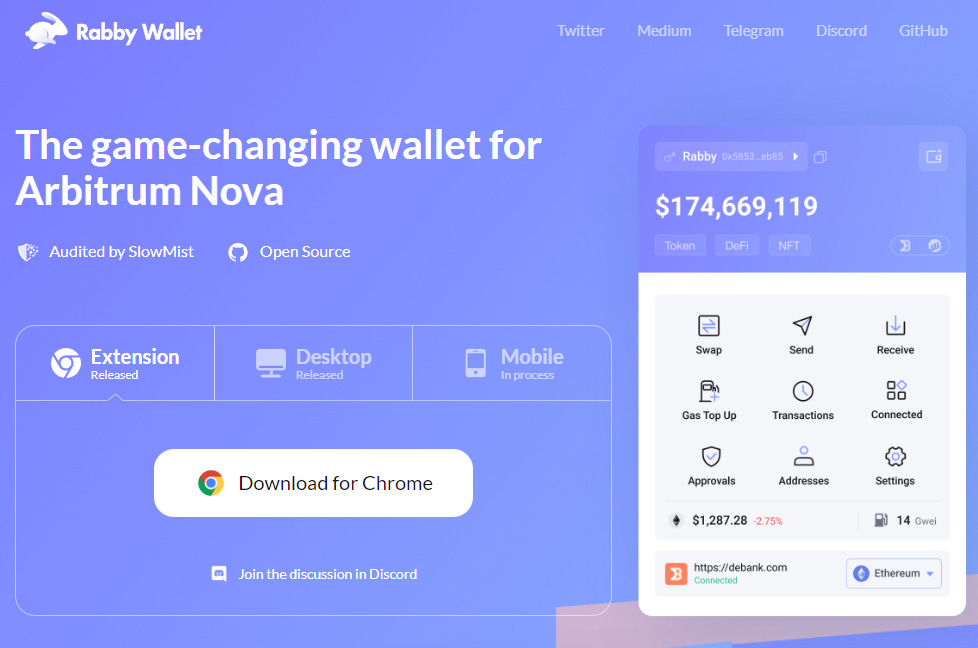
Try it yourself
If you’d like a practical next step, consider downloading rabby wallet and experimenting on a testnet or with a small amount of funds; you’ll see how granular approvals and simulations change behavior without risking much.
FAQ
Is Rabby open source and audited?
Yes, the project maintains public source repositories and community scrutiny; audits are available for some components but always check the latest audit reports before trusting large sums, because code and context change.
Can I use Rabby with Ledger or Trezor?
Absolutely—hardware wallets integrate with the extension which keeps private keys offline; still validate what you sign on the device screen and prefer hardware confirmations for high-value operations.
What should I do if a dapp asks for approval-for-all?
Pause, simulate the transaction, and if possible grant a minimal allowance instead; if the dapp really requires full approval and you trust it, consider using a disposable account or revoke approvals after use—tiny steps that add up.